Kitchen Flooring.

The kitchen is the hardest working room in the house, so your flooring needs to keep up. Our SPC hybrid floors are 100% waterproof, scratch resistant and easy to clean, making them the perfect kitchen flooring solution. Spills, splashes and dropped pans are no problem for these tough boards.

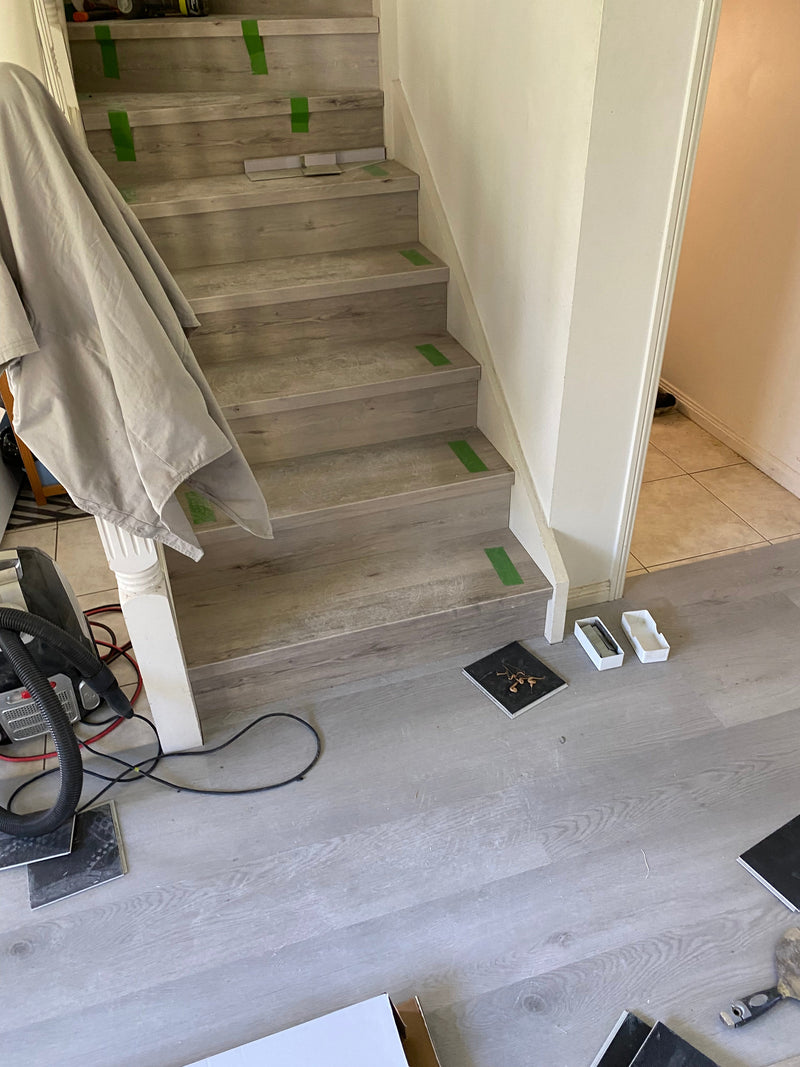
Available in a range of timber look finishes that bring warmth and style to your kitchen without the maintenance worries of real timber. Click lock installation over existing tile or concrete means a kitchen floor upgrade without the disruption of a full renovation.

Skip to results list
Availability
Price
to
The highest price is $285.58
Clear
53 items
Column grid
Column grid

Filter

Availability
Price
to
The highest price is $285.58

Frequently Asked Questions About Kitchen Flooring in Australia.

The kitchen is the heart of every Australian home — and it's also one of the toughest environments for flooring. Between water splashes, cooking spills, heavy foot traffic, and dropped utensils, your kitchen floor needs to handle constant abuse while still looking beautiful. Whether you're building a new home or renovating an existing kitchen, choosing the right kitchen flooring is one of the most important decisions you'll make. Below, we answer the most common questions Australian homeowners ask about kitchen floor options, from material comparisons to pricing and installation.

What is the best type of flooring for kitchens in Australia?

Hybrid SPC flooring has rapidly become the best flooring for kitchens in Australian homes, and for good reason. It combines the three essential qualities every kitchen floor needs: 100% waterproof construction to handle spills and splashes, a durable wear layer for scratch and stain resistance, and a comfortable underfoot feel that makes long periods of standing (while cooking) more pleasant than cold, hard tiles.

Traditional kitchen flooring options each have significant drawbacks. Tiles are waterproof but cold, uncomfortable, and prone to cracking — plus they break everything you drop on them. Laminate looks good initially but swells when exposed to kitchen moisture. Solid timber is beautiful but warps near sinks and dishwashers. Vinyl sheet is waterproof but looks cheap and tears easily. Hybrid SPC flooring eliminates all these compromises.

At Hippo Floors, our hybrid kitchen flooring options feature a rigid stone polymer composite core that won't absorb water from any source — dishwasher leaks, sink splashes, cooking spills, mopping water, or even flooding. Combined with realistic timber-look finishes and a cushioned underlay, hybrid flooring transforms kitchens into spaces that are as comfortable as they are functional.

Can hybrid flooring be installed in kitchens next to dishwashers and sinks?

Yes — hybrid SPC flooring can absolutely be installed around dishwashers, sinks, refrigerators, and all kitchen appliances. The 100% waterproof SPC core means that splashes from the sink, leaks from the dishwasher, and condensation from the fridge will not damage the flooring. This is one of the primary reasons hybrid flooring has overtaken tiles and laminate as the preferred kitchen flooring choice in Australian homes.

When installing hybrid flooring around kitchen appliances, a few practical considerations apply. Leave the standard 8–10mm expansion gap around the perimeter of the room (hidden by skirting boards or scotia), and apply a bead of silicone sealant around the base of the dishwasher and where the flooring meets the sink cabinet. This prevents any water from a major leak from seeping beneath the flooring to the subfloor. The planks themselves are waterproof, but protecting the subfloor adds an extra layer of security.

For dishwasher installations specifically, the flooring should be laid before the dishwasher is fitted so the floor runs continuously underneath. If the dishwasher needs to be removed for servicing in the future, the floating floor system makes this straightforward — unlike tiles, which can crack when heavy appliances are dragged across them. Our hybrid flooring range is designed for real-world kitchen use.

Is hybrid flooring comfortable to stand on in the kitchen for long periods?

One of the most appreciated qualities of hybrid flooring in kitchens is how much more comfortable it is underfoot compared to tiles. If you've ever stood on a tiled kitchen floor for an hour while cooking a Sunday roast, you'll know the aching feet, sore knees, and cold toes that come with hard ceramic or porcelain surfaces. Hybrid SPC flooring, particularly products with an attached IXPE foam underlay, provides significantly more cushioning that reduces fatigue during long periods of standing.

The 9.5mm hybrid flooring from Hippo Floors is particularly popular for kitchens because the thicker plank construction, combined with the premium attached underlay, creates a noticeably softer, warmer surface underfoot. This makes a real difference in comfort for families who spend a lot of time in the kitchen — whether you're cooking, cleaning, entertaining, or supervising homework at the kitchen island.

Hybrid flooring is also warmer underfoot than tiles in winter, which is a significant comfort factor in Melbourne, Canberra, Hobart, and other cooler Australian regions. The foam underlay acts as a thermal insulator, keeping the floor surface at a more comfortable temperature than stone or ceramic tiles that radiate cold from the concrete slab beneath. For ultimate winter comfort, hybrid flooring is also compatible with underfloor heating systems.

How does kitchen hybrid flooring handle dropped pots and heavy items?

Hybrid SPC flooring handles the impact of dropped items significantly better than tiles, which is a major practical advantage in busy Australian kitchens. We've all dropped a pot, pan, glass, or tin can on the kitchen floor — and on tiles, the result is usually a cracked or chipped tile that's expensive and disruptive to replace. The rigid yet slightly flexible SPC core of hybrid flooring absorbs impact energy rather than cracking, meaning a dropped cast-iron skillet will leave your floor unscathed.

The wear layer and UV coating on quality hybrid flooring also protect against denting and surface marking from impacts. While extremely heavy objects dropped from height could potentially dent any flooring material, the resilience of SPC construction means everyday kitchen accidents — dropped utensils, fallen tins, sliding chairs — won't leave permanent marks. This practical durability is why professional kitchen designers increasingly recommend hybrid over tiles.

There's also the human side of the equation. Dropped glassware and crockery is more likely to survive a fall onto hybrid flooring than onto tiles, thanks to the slight flex and cushioning of the SPC core and underlay. While this isn't guaranteed, many homeowners report fewer broken dishes and glasses after switching from tiles to hybrid — a welcome bonus in any kitchen.

What kitchen flooring is easiest to keep clean in Australia?

Hybrid flooring is exceptionally easy to clean, making it one of the most practical choices for Australian kitchens where messes are a daily occurrence. The smooth, sealed surface of hybrid flooring doesn't harbour bacteria, grease, or food particles the way grout lines in tiled floors do. There are no crevices where spilt sauce, cooking oil, or crumbs can accumulate — a quick sweep or vacuum followed by a damp mop is all it takes to keep your kitchen flooring spotless.

For everyday kitchen cleaning, simply sweep or vacuum to remove loose debris, then mop with warm water and a small amount of pH-neutral floor cleaner. Cooking splatters, coffee spills, wine drips, and food stains wipe away effortlessly from the sealed wear layer surface. For stubborn marks like dried-on sauce, a soft cloth dampened with warm water and a drop of dish soap will do the trick without damaging the floor.

Compare this to the alternatives: tiled kitchen floors require regular grout cleaning to prevent discolouration and mould growth — a tedious, time-consuming task that most homeowners dread. Timber floors need careful cleaning to avoid moisture damage. Laminate must be cleaned quickly to prevent swelling. Hybrid flooring eliminates all these headaches, giving you a hygienic, low-maintenance kitchen floor that looks consistently clean with minimal effort. For detailed care instructions, read our hybrid flooring maintenance guide.

Can you install kitchen flooring over existing tiles?

For a successful installation over tiles, the existing floor must meet a few requirements. The tiles must be firmly adhered, level, and free of major cracks or loose sections. Any cracked or hollow tiles should be repaired or filled, and the grout lines must not create an unacceptable height variation (generally less than 3mm over a 2-metre span). If the tiles are in reasonable condition — even if they're ugly or outdated — they make a perfectly acceptable subfloor for hybrid flooring.

You'll need an appropriate underlay between the tiles and the hybrid flooring to smooth out minor imperfections and provide acoustic dampening. If your hybrid planks include an attached underlay, that's usually sufficient. For tiles with deeper grout lines, a separate 1.5–2mm underlay from our accessories range will create a perfectly smooth base. The total height increase is typically only 7–12mm, which may require trimming door frames — a simple task with a multi-tool or hand saw.

How long does hybrid kitchen flooring last with heavy daily use?

Quality hybrid kitchen flooring from reputable brands typically comes with a residential warranty of 20 to 35 years, and with proper care, it can last even longer. Kitchens are among the highest-traffic rooms in any home — the average Australian family makes dozens of kitchen trips daily — but hybrid SPC flooring is engineered to handle this level of use without showing premature wear.

The longevity of your kitchen flooring depends primarily on the wear layer thickness and quality. Products with a 0.5mm to 0.6mm wear layer rated AC5 will withstand decades of kitchen foot traffic, chair scraping, pet claws, and everyday abrasion. Budget products with thinner 0.3mm wear layers may show signs of wear within 8–12 years in high-traffic kitchen areas, particularly in front of the sink and stove where foot traffic is concentrated.

At Hippo Floors, we stock only kitchen-grade hybrid flooring with wear layers and AC ratings suitable for high-traffic residential use. Our 9.5mm hybrid range features the most durable products in our collection, ideal for kitchens that see heavy daily use from large families, frequent entertaining, and pet traffic.

What colour and style of kitchen flooring is trending in Australia in 2026?

In 2026, Australian kitchen flooring trends are leaning towards natural, warm timber-look finishes that create a welcoming, organic feel. The dominant colours are light-to-medium oak tones, warm walnut shades, and pale blonde finishes that complement the clean, modern kitchen designs popular in Australian homes. Ultra-dark and ultra-light extremes are less favoured, with homeowners gravitating towards mid-range tones that hide dirt well and coordinate with both white and coloured cabinetry.

Wide-plank formats continue to dominate, with 180mm to 228mm wide planks creating a more spacious, contemporary look in kitchens of all sizes. Longer plank lengths (1200mm+) further enhance this spacious feel, reducing the number of visible end joins and creating a seamless flow from kitchen into adjacent living areas. The embossed-in-register (EIR) texture — where the surface texture aligns with the printed timber grain — is now expected on quality products, delivering a remarkably realistic timber appearance.

For Australian kitchens specifically, the trend towards seamless whole-home flooring is driving colour choices. Homeowners want the same floor running from the kitchen through the dining area and living room, creating a cohesive open-plan space. This favours versatile, neutral timber tones that work across multiple rooms and lighting conditions. Browse our hybrid flooring collection to explore the latest styles and colour trends for Australian kitchens.

Kitchen Flooring That Handles Everything Australian Kitchens Demand.

Your kitchen is the hardest-working room in your home — and it deserves flooring that works just as hard. At Hippo Floors, our kitchen flooring range is built around hybrid SPC technology that delivers the three essentials every kitchen floor needs: 100% waterproof performance for spills and splashes, commercial-grade durability for heavy foot traffic, and genuine comfort underfoot for the hours you spend cooking and entertaining.

Forget the compromises of traditional kitchen flooring options. Our hybrid floorboards give you the warm, inviting look of natural timber with waterproof construction that tiles can't match on comfort and laminate can't match on moisture resistance. From the morning coffee rush to weekend dinner parties, every plank in our kitchen flooring range is engineered to handle Australian kitchen life without showing the wear.

Read more

Our kitchen flooring selection includes 6.5mm hybrid planks for budget-friendly kitchen renovations and 9.5mm premium hybrid planks with thicker cushioned underlays for maximum standing comfort. Both options feature waterproof SPC cores, scratch-resistant wear layers, and realistic timber-look finishes that elevate the look of any kitchen. Whether you're renovating a compact apartment kitchen or fitting out a sprawling entertainer's kitchen, Hippo Floors has the right product for the job.

Perspective view of Pacific Spotted Gum SPC Hybrid Floorboards Herringbone 7.5+2mm in Pacific Spotted colour warm tone herringbone flooring sample

Why Hybrid Flooring Is Replacing Tiles in Australian Kitchens.

For decades, tiles were the default kitchen flooring in Australian homes. But a revolution is underway — and hybrid SPC flooring is leading the charge. Australian homeowners and kitchen designers are increasingly choosing hybrid over tiles for kitchens, and the reasons are compelling: superior comfort underfoot, easier installation, lower cost, better impact resistance, and the ability to create a seamless flow from kitchen to living areas without transition strips between different floor types.

Read more

Hybrid kitchen flooring eliminates every one of these pain points. The SPC core is 100% waterproof — just like tiles — but it's warmer, softer, and more forgiving underfoot. The click-lock installation system is faster and cheaper than tile laying. There are no grout lines to clean. And dropped items are far less likely to cause damage to either the floor or the item itself. For a comprehensive comparison of all flooring types, check our guide on hybrid vs engineered timber vs laminate. The evidence is clear: for modern Australian kitchens, hybrid flooring is the smarter choice.

Kitchen Flooring Costs — Getting the Best Value in Australia.

The cost advantage of hybrid flooring extends beyond the purchase price. The click-lock floating floor system means installation is faster — a typical kitchen can be floored in half a day — with no adhesives, no grouting, and no waiting for drying time. This translates to lower labour costs and less disruption to your household. For DIY-confident homeowners, the savings are even greater, as hybrid flooring is one of the most DIY-friendly flooring options available.

Kitchen Flooring Price Comparison and Budget Tips

When budgeting for your kitchen flooring renovation, consider the long-term value. Hybrid flooring requires virtually zero maintenance beyond regular cleaning — no sealing, no regrouting, no refinishing. Over a 20-year period, the total cost of ownership is significantly lower than tiles (which need grout maintenance) or timber (which needs periodic refinishing). For detailed pricing information, explore our 2026 hybrid flooring cost guide and browse our full kitchen flooring collection.

Essential Tips for Choosing the Perfect Kitchen Floor.

Selecting kitchen flooring involves balancing practical performance with aesthetic preferences. Your kitchen floor needs to withstand daily moisture, heavy traffic, and constant cleaning while complementing your cabinetry, benchtops, and overall design scheme. These expert tips will help you make a decision you'll love for decades.

1

Prioritise Waterproof Construction Over Water Resistance

Kitchens are wet environments — there's no getting around it. Between sink splashes, cooking spills, dishwasher cycles, mopping, and the occasional overflowing pot, your kitchen floor will encounter water daily. Choosing genuinely waterproof flooring (hybrid SPC) rather than merely water-resistant options (laminate) eliminates the constant worry about moisture damage. With a waterproof kitchen floor, spills can be cleaned at your convenience rather than demanding immediate attention. This peace of mind is particularly valuable in households with children, where kitchen spills are an hourly occurrence.

2

Choose a Colour That Hides Kitchen Mess Between Cleans

While ultra-light and ultra-dark floors both look stunning in photos, they're the hardest colours to keep looking clean in a busy kitchen. Light floors show every crumb, spill mark, and scuff, while dark floors highlight dust, pet hair, and water spots. For kitchens, a medium-toned timber-look finish — such as natural oak, spotted gum, or warm walnut — provides the best balance between beauty and practicality. These mid-range tones disguise everyday mess between cleaning sessions while still providing the stylish timber-look aesthetic that Australian homeowners love.

3

Extend Your Kitchen Floor Into Adjacent Living Areas

One of the biggest advantages of choosing hybrid flooring for your kitchen is the ability to run the same floor seamlessly into your dining room, living area, and hallway. Open-plan living is the dominant layout in modern Australian homes, and using a single flooring product throughout eliminates unsightly transition strips between rooms while creating a spacious, cohesive feel. This is impossible with tiles (which require transitions to other floor types) but effortless with hybrid flooring's click-lock system. Plan your kitchen floor as part of your whole-home flooring strategy for the best result.

Upgrade Your Kitchen Floor With Hippo Floors.

Your kitchen deserves flooring that matches its importance in your home. At Hippo Floors, our kitchen flooring collection brings together the best hybrid SPC products on the Australian market — each one 100% waterproof, scratch-resistant, comfortable underfoot, and available in stunning timber-look finishes that transform kitchens from functional spaces into design showcases.

Whether you're renovating a tired kitchen with outdated tiles, fitting out a brand-new home, or upgrading from damaged laminate, our range has the perfect product for your budget and style. Every plank comes with a comprehensive residential warranty, and our team is here to help you choose the right colour, thickness, and quantity for your kitchen project. Browse our collection today and discover why Australian homeowners are choosing hybrid over tiles for their kitchens.

Learn more

Not sure which thickness is right for your kitchen? Our 6.5mm hybrid flooring is ideal for kitchen renovations on a budget, delivering all the waterproof and durability benefits in a slimmer profile. For maximum comfort underfoot — especially important if you spend a lot of time cooking — our 9.5mm hybrid flooring provides a thicker, cushioned feel that your feet will thank you for. Both options install quickly over existing floors and pair perfectly with accessories from our trims and underlay range.

What Our Customers Say.

5.0 out of 5