Floating Floors.

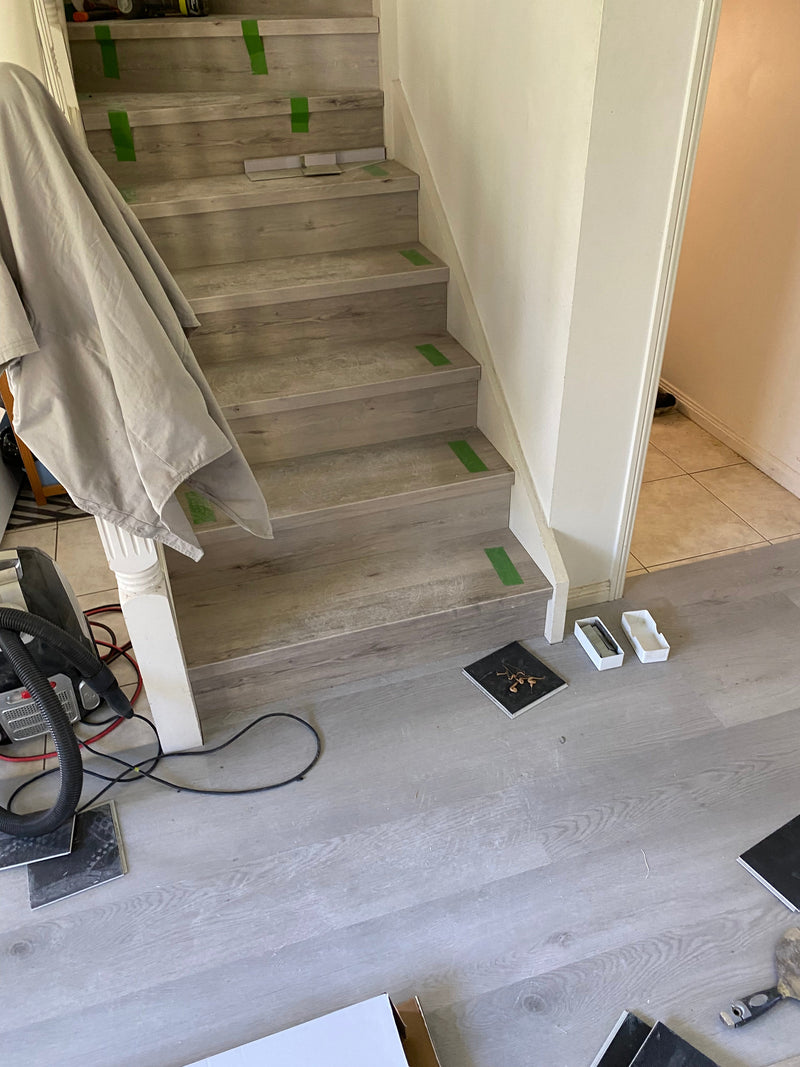
Floating floors are the easiest way to install new flooring without removing your existing surface. Our click lock SPC hybrid boards float over concrete, timber, tile and vinyl with no adhesive needed. Simply click the planks together and you are done.

All our floating floor options come with underlay pre-attached, saving time and money on your project. 100% waterproof, scratch resistant and available in a range of timber look finishes from 6.5mm to 9.5mm thickness.

Skip to results list
Availability
Price
to
The highest price is $285.58
Clear
37 items
Column grid
Column grid

Filter

Availability
Price
to
The highest price is $285.58

Frequently Asked Questions About Floating Floors in Australia.

If you're considering floating floors for your Australian home, you probably have questions about installation, durability, and which products perform best in our unique climate. Below, we've answered the most common questions Australian homeowners ask about floating floorboards, click-lock flooring, and floating floor installation. Whether you're a first-time renovator tackling a DIY project or comparing options before committing, these detailed answers will help you make an informed decision.

What exactly is a floating floor and how does click-lock installation work?

A floating floor is any floor covering that is not glued, nailed, or otherwise fastened directly to the subfloor beneath it. Instead, the planks sit on top of an underlay and are connected to each other using a precision-engineered click-lock system. This tongue-and-groove mechanism allows each plank to snap firmly into the next, creating a stable, unified surface that "floats" above the substrate. The entire floor can expand and contract naturally with temperature and humidity changes — something especially important in Australia's varied climate zones.

The click-lock installation process is straightforward: you prepare your subfloor (ensuring it is level, clean, and dry), roll out your underlay, and then begin laying planks row by row from one corner of the room. Each plank angles into the previous one at roughly 20–30 degrees and clicks down flat. No adhesive, no nails, no specialised tools. Most homeowners can complete an average-sized room in a single day. At Hippo Floors, our hybrid flooring and laminate flooring ranges all feature premium click-lock systems designed for fast, frustration-free installation.

Because the floor isn't bonded to the subfloor, floating floors are also easier to remove or replace down the track — ideal for renters, investment properties, or anyone who likes to refresh their interiors every few years. This versatility is one of the biggest reasons floating floors have become Australia's most popular flooring choice.

Can I install floating floorboards myself or do I need a professional installer?

Floating floorboards are specifically designed for DIY installation, making them one of the most accessible home renovation projects you can tackle without professional help. The click-lock flooring mechanism eliminates the need for adhesives, nails, or specialised equipment. All you typically need is a tape measure, spacers, a tapping block, a pull bar, a saw for cutting end pieces, and a pencil for marking. Many Australian homeowners complete their entire install over a weekend.

At Hippo Floors, every order includes detailed installation guides, and our hybrid flooring products feature the latest-generation click-lock profiles that are genuinely easy to work with. We also stock all the flooring accessories you'll need, from underlay to transition strips and skirting boards. If you want the satisfaction of doing it yourself — and saving hundreds on labour — floating floors are the perfect project.

What is the best underlay for floating floors in Australia?

Choosing the right underlay for floating floors is just as important as choosing the flooring itself. Underlay serves multiple critical functions: it smooths out minor subfloor imperfections, provides acoustic insulation (reducing the hollow sound floating floors can produce), adds thermal comfort underfoot, and protects against moisture rising from concrete slabs — a common concern in Australian homes.

For hybrid and SPC floating floors, a 1.5mm to 2mm cross-linked polyethylene (XLPE) or IXPE underlay is the industry standard. These thin, dense underlays provide excellent moisture protection without adding excessive height. Many of our hybrid flooring planks come with underlay pre-attached, saving you an extra step during installation. For laminate floating floors, a slightly thicker 2mm to 3mm foam or rubber underlay is recommended for better acoustic performance and cushioning.

If you're installing over a concrete slab — which covers the majority of Australian ground-floor installations — always use an underlay with an integrated moisture barrier, or lay a separate polyethylene vapour barrier sheet first. Australian standards recommend testing concrete slabs for moisture content before installation. On timber subfloors or upper storeys, acoustic underlay helps minimise sound transmission to rooms below. You'll find compatible underlay options in our accessories collection.

Are floating floors waterproof and suitable for kitchens and bathrooms?

This depends entirely on the type of floating floor you choose. Hybrid SPC floating floors — which make up the majority of our range at Hippo Floors — feature a 100% waterproof stone plastic composite core that will not swell, warp, or delaminate when exposed to water. This makes them perfectly suitable for kitchens, laundries, and even bathrooms. You can mop them freely, and spills can sit on the surface without causing damage.

Laminate floating floors, on the other hand, are not waterproof. While modern laminate has improved water resistance, prolonged exposure to standing water will cause the HDF core to swell and the planks to buckle. Laminate is best suited to bedrooms, living areas, and hallways where water exposure is minimal. If you need a floating floor for a wet area, waterproof hybrid flooring is the clear choice.

It's worth noting that while hybrid floating floors are waterproof at the plank level, the click-lock joints are water-resistant rather than fully sealed. For areas with regular heavy water exposure (like directly around a bathtub), silicone sealant along expansion gaps and transitions adds extra protection. For general kitchen and bathroom use, our hybrid flooring range handles everything Australian households throw at it — from muddy boots to pet water bowls to cooking splashes.

How long do floating floors last compared to other flooring types?

The lifespan of floating floors varies significantly depending on the product quality, wear layer thickness, and how well they're maintained. At the premium end, hybrid SPC floating floors with a thick wear layer (0.5mm or above) can last 20 to 30+ years in a residential setting. Engineered timber floating floors can last even longer — 25 to 40 years — because the real timber veneer can be sanded and refinished once or twice over its lifetime. Laminate floating floors typically last 15 to 25 years depending on the AC rating and traffic levels.

By comparison, carpet generally needs replacing every 8 to 12 years, standard vinyl sheet flooring lasts around 10 to 15 years, and tiles — while extremely durable — are costly and disruptive to replace if they crack or you tire of the design. When you factor in the cost per year of use, quality floating floors represent outstanding value. Our 9.5mm hybrid flooring range, for example, comes with warranties of up to 25 years for residential use.

Proper maintenance significantly extends the life of any floating floor. Regular sweeping or vacuuming to remove grit (which acts like sandpaper underfoot), prompt spill cleanup, and using felt pads on furniture legs all help preserve the surface. Read our complete guide to cleaning and maintaining hybrid flooring for practical tips.

Can floating floors be installed over tiles, concrete, or existing flooring?

One of the biggest advantages of floating floors is their ability to be installed over almost any existing hard surface — including tiles, concrete slabs, existing vinyl, and even old timber floors. Because the planks aren't bonded to the substrate, the subfloor material matters less than its condition. The key requirements are that the surface is structurally sound, reasonably level (within 3mm over 1 metre), clean, and dry.

Installing over tiles is extremely popular in Australian renovations because it avoids the enormous cost and mess of tile removal. As long as the tiles are firmly adhered (no loose or hollow tiles), you simply lay your underlay over the top and install your floating floor directly. The grout lines won't telegraph through. For tiled bathrooms and kitchens, our waterproof floating floors are the ideal overlay solution.

Installing over concrete is equally straightforward but requires a moisture test first. Australian standards (AS 1884) require concrete slabs to have a moisture reading below 75% relative humidity before flooring is installed. If readings are higher, a moisture barrier or additional drying time is needed. For timber subfloors, ensure boards are secure (screw down any squeaky sections) and level. The only surface you generally cannot install floating floors over is carpet — it must be removed first because the soft, uneven surface compromises the click-lock connections.

Do floating floors increase property value in Australia?

Absolutely. Floating floors — particularly hybrid flooring and engineered timber — are one of the most cost-effective ways to increase property value and buyer appeal in the Australian real estate market. Estate agents consistently report that homes with quality hard flooring sell faster and attract higher offers than those with old carpet or dated tiles. In a market where first impressions drive offers, new flooring delivers exceptional return on investment.

From a purely practical standpoint, buyers and renters in Australia increasingly prefer hard flooring because of its allergy-friendliness (no dust mites or allergens trapped in carpet fibres), ease of cleaning, and modern aesthetic. The timber-look flooring trend in particular shows no signs of slowing — warm, natural timber tones remain the most requested flooring style across Sydney, Melbourne, Brisbane, Perth, and Adelaide.

For investment property owners, floating floors offer the additional benefit of easy replacement between tenants. If a section is damaged, individual planks can be lifted and swapped without replacing the entire floor. This keeps maintenance costs down while ensuring the property always presents well. Our affordable flooring range includes excellent options that deliver premium looks without premium prices — perfect for investors.

What is the difference between floating floors and glue-down or nail-down flooring?

The three main installation methods for hard flooring are floating (click-lock), glue-down, and nail-down, and each has distinct advantages depending on the application. Floating floors use a click-lock mechanism to connect planks to each other, with the assembled floor resting freely on an underlay. Glue-down flooring is adhered directly to the subfloor using specialised adhesive. Nail-down flooring (sometimes called "secret nail") is fixed to a timber subfloor using nails or staples through the tongue of each plank.

Floating installation is by far the fastest and most accessible method — ideal for DIY projects and quick renovations. It requires no drying time (unlike glue), works over virtually any subfloor, and can be walked on immediately after installation. The planks can also be disassembled and reused if needed. The main consideration is that expansion gaps must be left around all fixed objects (walls, door frames, islands), which are then covered by skirting boards or transition strips.

Glue-down installation produces a slightly more rigid, solid-feeling floor and is often preferred for large commercial spaces or areas with heavy rolling loads. However, it requires a perfectly prepared subfloor, professional application, and 24–48 hours of curing time. Nail-down installation is traditional for solid timber and some engineered timber floors but only works over timber subfloors — not concrete. For the vast majority of Australian homeowners, floating click-lock installation offers the best combination of cost, speed, and performance. Browse our full range of click-lock hybrid flooring to see what's possible.

Australia's Favourite Floating Floors — Click, Lock & Walk.

Floating floors have revolutionised the way Australians renovate. No glue, no nails, no waiting for adhesives to cure — just precision-engineered click-lock floorboards that snap together seamlessly and can be walked on immediately. At Hippo Floors, our entire range of hybrid flooring, engineered timber, and laminate flooring is designed for effortless floating floor installation, whether you're a confident DIYer or working with a professional installer.

A floating floor sits on top of an underlay rather than being fixed to the subfloor, allowing it to expand and contract naturally with Australia's temperature and humidity fluctuations. This makes it the ideal installation method for our climate — from the humid tropics of Queensland to the cool winters of Victoria and Tasmania. The result is a floor that looks stunning, performs brilliantly, and installs in a fraction of the time of traditional methods.

Read more

Our floating floorboard collections feature the latest-generation click-lock profiles engineered for tight, gap-free connections. Every plank is manufactured to exacting tolerances, meaning even first-time installers achieve professional-looking results. Whether you're laying over concrete, tiles, or existing hard flooring, our floating floors adapt to your home — not the other way around. With options ranging from 6.5mm hybrid planks for cost-effective renovations to 9.5mm premium hybrid for maximum stability and acoustic performance, there's a Hippo Floors floating floor for every room and every budget.

Perspective view of Pacific Spotted Gum SPC Hybrid Floorboards Herringbone 7.5+2mm in Pacific Spotted colour warm tone herringbone flooring sample

Why Floating Floors Are Perfect for Australian Homes.

Australia's climate presents unique challenges for flooring. Intense summer heat, winter cold snaps, coastal humidity, and dry inland conditions mean your flooring needs to handle significant environmental variation without warping, buckling, or developing gaps. Floating floors are purpose-built for exactly this. Because they're not rigidly fixed to the subfloor, they accommodate natural expansion and contraction far better than glued or nailed alternatives.

Hybrid SPC floating floors take this a step further with their stone plastic composite core — a dimensionally stable material that resists temperature and moisture fluctuations far more effectively than traditional timber or laminate cores. This is why hybrid flooring has become Australia's fastest-growing flooring category. It delivers the warmth and beauty of timber with the practicality and resilience modern Australian lifestyles demand. From open-plan living areas that catch the afternoon sun to busy kitchen floors exposed to spills and foot traffic, floating hybrid floors handle it all.

Read more

For families with children and pets, floating floors offer another significant advantage: they're softer and more forgiving underfoot than tiles or polished concrete. The underlay layer provides cushioning that reduces fatigue during long periods of standing and absorbs impact from dropped items. Combined with a scratch-resistant wear layer, this makes floating hybrid flooring the practical choice for busy Australian households. If you're weighing up your options, our comparison guide to hybrid, engineered timber, and laminate flooring breaks down the pros and cons of each type in detail.

How Much Do Floating Floors Cost in Australia?

One of the biggest advantages of floating floors is their affordability — both in material costs and installation savings. Because floating floors aren't glued or nailed down, they eliminate the need for adhesive, specialist tools, and in most cases professional labour. A confident DIYer can install a floating floor across an entire home in a weekend. Compared to nailed hardwood, glued engineered timber, or tiled floors, the all-in cost of a floating floor installation is typically far lower. And because floating floors can be laid directly over most existing subfloors — including concrete, plywood, and even old tiles — you save on subfloor preparation as well.

Floating Floor Pricing Breakdown for 2026

When comparing floating floor costs against other flooring types, the value proposition is clear. Tiling requires screeding, adhesive, grout, and professional installation. Solid hardwood needs acclimatisation, professional fitting, sanding, and finishing. Engineered timber often requires glue-down installation with specialist adhesive. Floating SPC hybrid flooring skips all of that — it clicks together directly over your existing floor with minimal preparation. The result is a dramatically lower total project cost while still achieving a beautiful, durable finish that lasts 20+ years with minimal maintenance.

Essential Tips for Installing Floating Floors.

Getting your floating floor installation right the first time comes down to preparation, patience, and following a few key rules. Whether you're a first-timer or experienced renovator, these tips will help you achieve a flawless finish that looks professionally installed.

1

Acclimatise Your Planks Before Installation

Before installing your floating floorboards, leave the unopened boxes in the room where they'll be installed for at least 48 hours. This allows the planks to adjust to the room's temperature and humidity, minimising expansion or contraction after installation. This is especially important in Australia where temperature differences between a warehouse and your home can be significant. Stack boxes flat — never on their sides — and ensure the room is at normal living temperature. For engineered timber floating floors, acclimatisation is even more critical due to the natural timber veneer.

2

Always Leave Expansion Gaps Around the Perimeter

Floating floors need room to breathe. Leave a minimum 8–10mm expansion gap between your flooring and every wall, door frame, pipe, and fixed object. Use spacers during installation to maintain consistent gaps — they'll be hidden by skirting boards or scotia afterwards. Never push planks tight against walls or pin the floor down with heavy fixtures, as this prevents natural movement and can cause buckling during hot Australian summers. The same rule applies around kitchen islands, bathroom vanities, and any built-in cabinetry. This is the single most important rule of floating floor installation.

3

Prepare Your Subfloor Properly for Best Results

The quality of your floating floor installation depends heavily on what's underneath. Check your subfloor with a straight edge or long spirit level — any high spots over 3mm in a 1-metre span should be ground down or filled. Remove all debris, staples, and old adhesive residue. For concrete subfloors, conduct a moisture test (relative humidity must be below 75% per Australian Standard AS 1884). For timber subfloors, secure any loose or squeaky boards with screws. A little extra time on subfloor preparation pays dividends in the final result — your click-lock flooring will lay flatter, click together more easily, and last longer. Don't forget quality underlay from our accessories range.

Shop Floating Floors Online at Hippo Floors.

At Hippo Floors, we've made shopping for floating floors online simple, transparent, and affordable. Our entire range — from hybrid floating floors to engineered timber and laminate flooring — is available to order online with delivery right across Australia. Every product listing includes detailed specifications, high-resolution imagery, and honest descriptions so you know exactly what you're getting. No showroom pressure, no inflated retail markups.

As an Australian-owned online flooring retailer, we source directly from manufacturers and pass those savings to our customers. Our floating floorboards are selected specifically for the Australian market — tested for our climate conditions, compliant with Australian standards, and backed by comprehensive warranties. Whether you need waterproof floating floors for wet areas, scratch-resistant options for busy households, or budget-friendly planks for investment properties, you'll find it in our collection.

Learn more

Still not sure which floating floor is right for your project? Our team is here to help. We offer free sample deliveries so you can see and feel the product in your own home before committing. We also provide expert advice on quantities, underlay selection, and installation — just reach out via phone, email, or live chat. With fast shipping from our Australian warehouse, competitive pricing that beats traditional retailers, and a hassle-free ordering process, there's never been a better time to upgrade your floors. Explore our full floating floor collection above, or visit our 2026 pricing guide to plan your budget. Your dream floor is just a click away.

What Our Customers Say.

5.0 out of 5