Bathroom Flooring.

Finding the right flooring for a bathroom means choosing something that is 100% waterproof and built to handle daily moisture exposure. Our SPC hybrid floors are completely waterproof with a rigid stone plastic composite core that will never swell, warp or buckle. Perfect for bathrooms, ensuites and powder rooms.

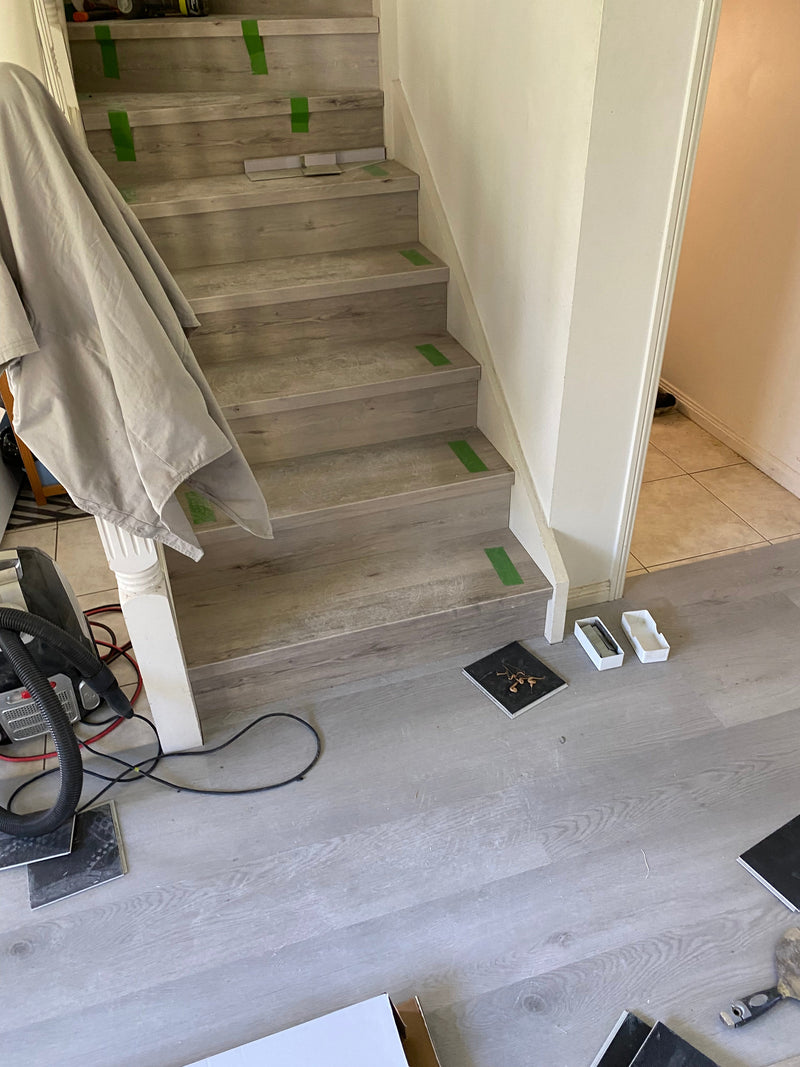
Available in a range of timber look finishes from cool greys to warm naturals. Click lock installation over existing tile or concrete with no adhesive required.

Skip to results list
Availability
Price
to
The highest price is $86.32
Clear
25 items
Column grid
Column grid

Filter

Availability
Price
to
The highest price is $86.32
  • Natural Blackbutt SPC Herringbone 9.5mm

    Natural Blackbutt SPC Herringbone 9.5mm

    Natural Blackbutt SPC Herringbone 9.5mm

    Sale price  $54.99/sqm Regular price  $65.00

Frequently Asked Questions About Bathroom Flooring in Australia.

Choosing bathroom flooring in Australia requires careful consideration of moisture, safety, and durability. Bathrooms endure constant water exposure from showers, baths, sinks, and steam — making them one of the most demanding environments for any flooring product. Whether you're renovating an ensuite, family bathroom, or powder room, the questions below cover everything Australian homeowners need to know about waterproof bathroom flooring, from material options and slip resistance to installation requirements and Australian building standards.

What is the best waterproof flooring for bathrooms in Australia?

Hybrid SPC flooring has emerged as one of the best waterproof flooring options for Australian bathrooms, offering a compelling alternative to traditional tiles. The Stone Polymer Composite core is 100% waterproof — it contains zero wood fibre and cannot absorb moisture under any circumstances. This makes it fundamentally suitable for bathroom use, where water exposure is constant and unavoidable.

What sets hybrid flooring apart from tiles in bathrooms is the combination of waterproof performance with superior comfort and aesthetics. Hybrid planks are warmer underfoot than ceramic or porcelain tiles, more comfortable to stand on (important for morning and evening bathroom routines), and available in realistic timber-look finishes that create a spa-like atmosphere that cold, clinical tiles simply cannot match.

At Hippo Floors, our hybrid bathroom flooring range includes products specifically suited for wet areas. Both our 6.5mm and 9.5mm hybrid ranges deliver 100% waterproof performance with textured surface finishes for improved traction on wet surfaces — a critical safety feature in bathroom applications.

Is hybrid flooring safe to use in showers or just in the main bathroom area?

Hybrid flooring is designed for the main bathroom floor area — outside the shower recess. It is not recommended as a replacement for tiles or waterproof membranes inside the shower enclosure itself, where direct, constant water flow and pooling occur. The shower area requires a fully sealed, graded wet area with a waterproof membrane that complies with Australian Standard AS 3740, and tiles remain the most practical solution for this specific zone.

However, for the rest of the bathroom floor — around the vanity, toilet area, bathtub surround, and general walkway — hybrid SPC flooring is an excellent choice. It handles the splashing, dripping, and humidity that occur in these areas without any concern. Water from stepping out of the shower, bath splashes, sink overflow, and general bathroom moisture will not affect the flooring in any way.

A common and increasingly popular approach in Australian bathroom design is to tile the shower recess and immediate wet zone, then use hybrid flooring for the remainder of the bathroom floor. This gives you the waterproof compliance required inside the shower with the warmth, comfort, and timber-look aesthetic of hybrid flooring in the main bathroom space. A simple tile-to-hybrid transition strip creates a clean, professional junction between the two surfaces.

Does bathroom hybrid flooring resist mould and mildew?

Yes — hybrid SPC flooring is inherently resistant to mould and mildew growth, which is one of its most important advantages for bathroom applications. The stone polymer composite core contains no organic material (no wood fibre, no paper, no natural compounds) that mould can feed on. Even in the humid, warm conditions of an Australian bathroom, the SPC core will not support mould growth on its surface or within its structure.

This is a significant advantage over several alternative bathroom flooring options. Laminate flooring contains an HDF core made from wood fibre, which is highly susceptible to mould when exposed to bathroom humidity — it should never be used in bathrooms. Even some engineered timber products can develop mould in consistently humid environments if the plywood layers absorb moisture over time.

To maximise mould resistance in your bathroom, ensure adequate ventilation — an exhaust fan that runs during and for 15 minutes after showering is essential. While the hybrid flooring itself won't develop mould, persistent humidity without ventilation can cause mould on walls, ceilings, and other surfaces. The flooring will continue to perform perfectly, but a well-ventilated bathroom is healthier for both the room and its occupants. Combine mould-resistant hybrid flooring with proper ventilation for the best bathroom environment.

Is bathroom hybrid flooring slippery when wet?

Slip resistance is a critical safety consideration for bathroom flooring, and quality hybrid SPC flooring addresses this with textured surface finishes that provide traction even when wet. Most hybrid flooring designed for residential bathroom use features an embossed-in-register (EIR) or hand-scraped texture that gives the surface grip, preventing the dangerously smooth feel that polished tiles or high-gloss surfaces can create in wet conditions.

In Australia, slip resistance is measured using the R-rating system (also known as the ramp test), and wet area flooring ideally should achieve a rating of R10 or higher for bathroom use. When selecting hybrid flooring for your bathroom, check the product's slip resistance rating and choose textured finishes over smooth or glossy options. The realistic timber grain textures that look the best also tend to perform the best in terms of wet grip.

For added safety — particularly in households with elderly residents or young children — consider placing non-slip bath mats outside the shower and near the bathtub where the most water accumulates on the floor. The combination of textured hybrid flooring and strategically placed mats creates a safe, slip-resistant bathroom floor that far outperforms polished porcelain or glazed ceramic tiles in wet conditions.

Can hybrid flooring handle bathroom steam and humidity?

Hybrid SPC flooring handles bathroom steam and humidity exceptionally well, which is one of the key reasons it's suitable for bathroom applications. The stone polymer composite core does not expand, warp, or degrade when exposed to humid air — unlike timber, which absorbs atmospheric moisture and swells, or laminate, which buckles in high-humidity environments. Hybrid flooring maintains its dimensional stability regardless of the humidity level in the room.

This is particularly important in Australian bathrooms, where hot showers generate significant steam, especially during cooler months when the temperature difference between the hot shower water and the ambient air is greatest. The PVC and limestone composition of the SPC core is completely unaffected by water vapour in the air, meaning your bathroom floor will look and perform identically whether the room is dry or filled with steam after a long shower.

It's worth noting that while the flooring itself is impervious to humidity, proper bathroom ventilation remains important for the overall health of the room. Persistent high humidity without adequate exhaust ventilation can lead to mould growth on walls, ceilings, and silicone sealant — even though the floor won't be affected. We recommend running an exhaust fan during and after each shower to maintain a healthy bathroom environment that complements your durable, humidity-proof hybrid flooring.

How much does it cost to install waterproof flooring in an Australian bathroom?

For a comprehensive overview of hybrid flooring costs in Australia, including material pricing, installation fees, and money-saving strategies, read our 2026 hybrid flooring cost guide. At Hippo Floors, we offer competitive pricing across our bathroom-suitable hybrid flooring range, making waterproof bathroom renovations accessible for every budget.

Do you need a waterproof membrane under bathroom hybrid flooring?

The requirements for a waterproof membrane under bathroom flooring depend on the specific area of the bathroom and your local building codes. Under Australian Standard AS 3740, a waterproof membrane is mandatory in designated wet areas — primarily the shower recess and the area immediately around bathtubs. For the remainder of the bathroom floor (outside the designated wet zone), membrane requirements vary by state and territory, and by the type of flooring being installed.

When installing hybrid SPC flooring in a bathroom, the flooring itself is 100% waterproof, but the subfloor beneath may still need protection. On concrete slabs, a vapour barrier (200-micron polyethylene sheet) is typically recommended to prevent moisture transfer between the slab and the underside of the flooring. On timber subfloors, both a vapour barrier and potentially a waterproof membrane may be required, depending on the bathroom's configuration and state regulations.

We strongly recommend consulting with your installer or local council regarding waterproof membrane requirements for your specific bathroom renovation. While hybrid flooring provides waterproof protection from the top surface, ensuring the subfloor and membrane system are correct protects your home from below as well. Our accessories range includes compatible underlays and moisture barriers for bathroom installations.

Can you lay bathroom hybrid flooring as a DIY project?

Yes — bathroom hybrid flooring installation is achievable as a DIY project for handy homeowners, though bathrooms are more complex than bedrooms or living areas due to their smaller size, multiple fixtures, and wet-area considerations. The click-lock floating floor system used by hybrid flooring is the same in every room, but bathrooms require more precise cutting around toilets, vanities, shower screens, and doorways, which demands patience and careful measurement.

For a successful bathroom DIY installation, you'll need: a utility knife or jigsaw for cutting planks to size, a tape measure and pencil for marking, spacers for the 8–10mm expansion gap, and silicone sealant for sealing the perimeter and around fixtures. The key is to measure twice and cut once — bathroom installations involve many irregular cuts that require accuracy. A cardboard template can help when cutting around toilet flanges and other complex shapes.

If you're not confident with the cutting and fitting required for a bathroom installation, hiring a professional installer is a worthwhile investment. Professional bathroom flooring installation typically takes 3–5 hours for a standard bathroom and ensures all perimeter sealing is done correctly for maximum waterproof protection. Whether you DIY or hire a pro, explore our hybrid flooring range to find the perfect waterproof product for your bathroom.

Waterproof Bathroom Flooring That Transforms Your Space.

Your bathroom should be a sanctuary — a space that feels warm, inviting, and luxurious. Traditional bathroom tiles, while functional, often feel cold, clinical, and outdated. Waterproof hybrid flooring from Hippo Floors brings the beauty of natural timber aesthetics into your bathroom without any of the moisture risks associated with real wood. Every plank features a 100% waterproof SPC core that handles shower splashes, bath overflows, and bathroom humidity without flinching.

Australian homeowners are increasingly choosing hybrid flooring for bathrooms over tiles, and the results speak for themselves. The warm, inviting appearance of timber-look planks transforms bathrooms from utilitarian spaces into spa-like retreats — at a fraction of the cost of natural stone or premium porcelain tiles. Combined with waterproof performance that matches or exceeds tiles, hybrid bathroom flooring is the modern choice for Australian homes.

Read more

Our bathroom-suitable hybrid flooring is available in both 6.5mm and 9.5mm thicknesses, with textured surface finishes that provide wet-area traction and a realistic timber feel underfoot. The 9.5mm range is particularly popular for bathrooms in cooler Australian regions, where the thicker plank and attached underlay provide insulation from cold concrete slabs — a welcome comfort when stepping out of a warm shower onto the floor. Every product in our range is backed by a comprehensive residential warranty for complete peace of mind.

Perspective view of Pacific Spotted Gum SPC Hybrid Floorboards Herringbone 7.5+2mm in Pacific Spotted colour warm tone herringbone flooring sample

Why Hybrid Flooring Is the Smart Alternative to Bathroom Tiles.

Tiles have been the go-to bathroom flooring in Australian homes for generations — but they come with well-known drawbacks that hybrid flooring eliminates entirely. Tiles are cold underfoot, especially on winter mornings. Grout lines trap moisture, soap residue, and mildew, requiring constant scrubbing. Polished tiles become dangerously slippery when wet. And the installation process — involving screeding, adhesive, waterproofing, tiling, and grouting — takes days and costs significantly more than hybrid flooring.

Waterproof hybrid flooring addresses every one of these issues. It's warmer underfoot thanks to its foam underlay backing. There are no grout lines to harbour mould or mildew. The textured surface finish provides better wet traction than polished tiles. And the click-lock floating floor system installs in hours rather than days, often directly over existing tiles — eliminating the mess, cost, and disruption of tile removal. For Australian homeowners weighing up their bathroom floor options, hybrid flooring is the smarter, more modern choice.

Read more

Still comparing options? Our detailed guide on hybrid vs engineered timber vs laminate covers the key performance differences between flooring types, including their suitability for wet areas. For bathrooms specifically, hybrid SPC flooring is the only non-tile option that delivers genuine waterproof performance with the aesthetic warmth of timber. Engineered timber should be avoided in bathrooms due to its moisture sensitivity, and laminate is entirely unsuitable for any wet area.

Bathroom Flooring Costs — Hybrid vs Tiles in Australia.

The cost comparison between hybrid flooring and tiles for Australian bathrooms is overwhelmingly in favour of hybrid — especially when you factor in the full installation cost. Tiling a bathroom requires cement sheeting, waterproofing membrane, tile adhesive, grout, and professional labour. Hybrid flooring eliminates most of those steps entirely. It clicks together over existing subfloors (including old tiles), requires no adhesive, and most homeowners can install it themselves in a single day. Beyond installation savings, hybrid flooring also reduces long-term maintenance costs — no regrouting, no cracked tiles to replace, and no mould building up in grout lines. For a budget-conscious bathroom renovation that still looks premium, SPC hybrid is the clear winner.

Bathroom Flooring Price Breakdown and Savings Calculator

Beyond the initial installation cost, hybrid bathroom flooring also saves money over its lifespan through reduced maintenance requirements. No regrouting, no grout sealing, no replacing cracked tiles — just simple cleaning. For a full pricing breakdown and budgeting tips, check our 2026 hybrid flooring cost guide. At Hippo Floors, we make waterproof bathroom renovations affordable for every Australian homeowner.

Expert Tips for Installing Flooring in Australian Bathrooms.

Installing bathroom flooring requires a few extra considerations compared to other rooms in your home. The wet-area environment, smaller space with more fixtures, and safety requirements all demand careful planning. Follow these expert tips to ensure your waterproof bathroom floor looks professional and performs flawlessly for decades.

1

Seal All Perimeter Edges and Fixture Junctions With Silicone

While hybrid SPC planks are 100% waterproof, the joins between planks can allow water through if large volumes of standing water are present. In bathrooms, apply a continuous bead of colour-matched silicone sealant around the entire perimeter where the flooring meets walls, the vanity base, the toilet pedestal, and the bath or shower screen junction. This creates a sealed barrier that prevents any water from reaching the subfloor beneath, giving you a fully waterproof floor system. Use a mould-resistant bathroom silicone for best results in humid conditions.

2

Ensure Proper Ventilation to Complement Your Waterproof Floor

Your waterproof bathroom flooring will perform perfectly regardless of humidity levels — but the rest of your bathroom will benefit from good ventilation. Install an exhaust fan rated for your bathroom size (minimum 25 litres per second for most bathrooms) and run it during showers and for at least 15 minutes afterwards. Proper ventilation reduces condensation on walls and ceilings, prevents mould growth on grout and sealant, and creates a healthier bathroom environment overall. Your hybrid floor handles humidity effortlessly, but protecting walls, ceilings, and fixtures from persistent moisture extends the life of your entire bathroom renovation.

3

Choose Textured Finishes for Wet-Area Safety

When selecting hybrid flooring for your bathroom, prioritise textured surface finishes over smooth or high-gloss options. Embossed-in-register (EIR) textures, hand-scraped finishes, and deep timber grain textures all provide better traction when wet, reducing the risk of slips in the bathroom. These textured finishes also happen to look the most realistic, closely mimicking the natural grain pattern of real timber. Avoid gloss or semi-gloss finishes in bathrooms — while they look sleek in photos, they become slippery hazards when water hits the surface. The best-looking and safest choice is a matte-finish textured hybrid plank.

Create Your Dream Bathroom With Waterproof Flooring From Hippo Floors.

Transform your bathroom from a functional necessity into a warm, inviting retreat with waterproof hybrid flooring from Hippo Floors. Our curated range of bathroom-suitable hybrid flooring combines 100% waterproof SPC construction with stunning timber-look finishes that bring the warmth of natural wood into your most intimate space — without any of the moisture risks or maintenance demands of real timber.

Every product in our bathroom flooring collection has been selected for its waterproof reliability, textured surface safety, mould resistance, and aesthetic beauty. From compact powder rooms to spacious master ensuites, our hybrid flooring creates a seamless, sophisticated look that elevates your bathroom design. Paired with our comprehensive residential warranty and expert support team, you can renovate your bathroom floor with complete confidence.

Learn more

Planning a bathroom renovation? Our 6.5mm hybrid flooring is a popular choice for budget-friendly bathroom makeovers, while the 9.5mm range delivers premium comfort and warmth underfoot — perfect for stepping out of the shower onto a floor that doesn't feel like an ice block. Both options are 100% waterproof and available in a wide range of timber-look colours. Don't forget to check our accessories collection for moisture barriers, transition strips, and colour-matched trims to give your bathroom installation a polished, professional finish.

What Our Customers Say.

5.0 out of 5